Do not turn a code into an all-purpose score
Cut resistance is not chemical resistance. Toe protection is not slip protection. A useful label separates these claims rather than combining them into a vague promise of toughness.
Match the marked model and edition to the manufacturer’s instructions before interpreting any performance level.
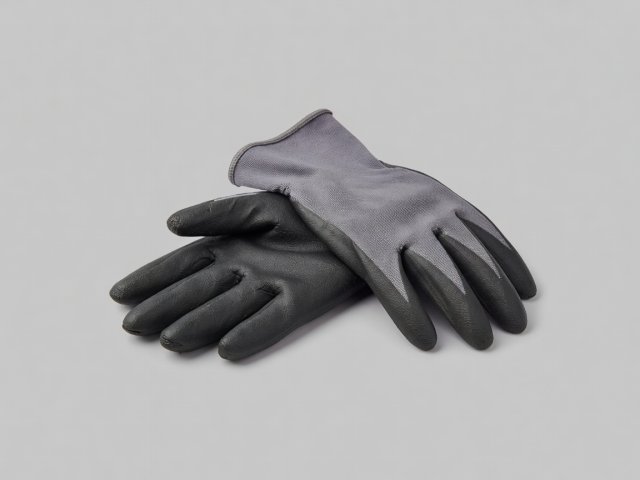
Read mechanical glove claims individually
EN 388 addresses protective gloves against mechanical risks. Its performance information distinguishes test outcomes such as abrasion, cut, tear and puncture resistance, with additional marking provisions depending on the edition and claims. Those are separate characteristics. A strong result in one test does not establish a strong result in another, and a general puncture test should not be assumed to describe hypodermic needle resistance.
ANSI/ISEA 105 provides a US classification framework for hand protection. Its cut resistance classes are not the same scale as EN 388 letter ratings. Even where related cut test methods are involved, compare the actual method, edition, force thresholds and reporting basis before drawing conclusions. Never use a casual letter-to-number conversion as the sole basis for changing a glove.
Cut-resistant is not cut-proof. Blade geometry, force, movement, material wear and the way a hand is exposed all affect the outcome. Gloves can also introduce entanglement risks around some moving machinery. Task assessment must determine whether gloves are appropriate in the first place, not merely which rated pair is available.
Chemical protection needs substance-specific evidence
The EN ISO 374 series addresses protective gloves against dangerous chemicals and micro-organisms. A chemical protection claim must be read with the specific tested substances and the manufacturer’s resistance information. Material names such as nitrile, latex or neoprene are not complete selection instructions: thickness, formulation and construction can change performance substantially.
Distinguish permeation, penetration and degradation. Permeation concerns chemical movement through the material at a molecular level. Penetration concerns passage through holes or other imperfections. Degradation concerns harmful physical changes to the material. Passing one type of test does not settle the others. A laboratory breakthrough time is not a safe wearing time for every task.
Ask for data for the actual chemical, concentration, mixture and expected contact conditions. Temperature, flexing, abrasion and repeated use can affect performance. Follow competent assessment and manufacturer guidance for change intervals, removal and disposal. A glove can look intact while no longer providing the required barrier, so appearance alone is an inadequate inspection strategy for chemical exposure.
Separate footwear features
ASTM F2413 is a US reference for performance requirements for protective safety toe-cap footwear. EN ISO 20345 is a European reference for safety footwear. Neither reference should be reduced to “has a steel toe.” Toe caps can use different materials, and additional characteristics such as penetration resistance, electrical properties or water-related performance require their own relevant claims.
Footwear markings are edition-sensitive. Category definitions and supplementary symbols can change, so use the instructions and the correct edition rather than an old chart copied from a supplier’s website. Verify the properties actually claimed for the model and size range. An advertised family name can include variants with different soles, midsoles or electrical characteristics.
| Claim | Investigate | Do not infer |
|---|---|---|
| Mechanical glove rating | Method, level, edition and tested area | Protection against all cuts or chemicals |
| Chemical glove performance | Substance, concentration, temperature and material data | A universal safe wearing time |
| Safety toe performance | Applicable impact and compression requirements | Slip, electrical or penetration protection |
| Slip resistance result | Test surface, contaminant and footwear condition | Slip-proof performance on every workplace floor |
Keep jurisdiction and workplace duties visible
OSHA 29 CFR 1910.138 addresses hand protection and 1910.136 addresses foot protection. Selection must reflect the hazards and performance characteristics required, not simply a recognizable logo.
Product conformity documentation and workplace selection duties are separate. Confirm the destination’s current requirements, relevant declarations and any required assessment evidence for the exact product.
Fit, wear and compatibility finish the assessment
Gloves that reduce dexterity can make handling less controlled. Poorly fitted footwear can affect stability and encourage non-use. Trial appropriate sizes, assess grip and movement, and check compatibility with sleeves, protective clothing and the actual floor environment. Where electrical protection is required, distinguish specialized insulating equipment from other electrical-related footwear properties; do not substitute one category for another.
Before ordering, record the supplier, model, edition, performance claims and replacement arrangements. Inspect glove coatings, seams, soles, uppers and any relevant wear indicators during service. Replacement should follow the instructions and risk assessment. A legible marking helps identify equipment, but it cannot restore protection that wear, contamination or damage has removed.