Impact is not one universal category
A falling object, a flying fragment, a chemical splash and an electrical exposure are different protection problems. One printed standard number cannot answer all four.
Identify the task before choosing a helmet, spectacles, goggles or a face shield. Then match the claimed performance to the actual hazard and jurisdiction.
Read a reference, not a guarantee
For US occupational eye and face protection, ANSI/ISEA Z87.1 is a key reference. Its scope includes requirements and test methods for protectors intended for particular occupational and educational hazards. It does not mean that every product carrying a related claim protects against every impact, liquid, dust or optical radiation exposure. Required markings, protector type, instructions and the exact edition must be read together.
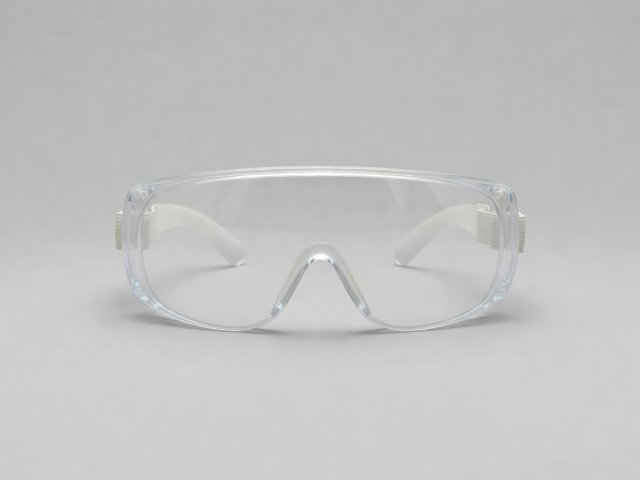
Do not confuse ordinary corrective glasses with suitable safety eyewear. A prescription lens does not establish the protective performance of its frame, and side protection may be necessary for the task. Where a face shield is used, determine whether suitable primary eye protection is also required. A large transparent visor can leave pathways for particles or splashes and should not be treated as a universal substitute for goggles.
Separate helmet type from electrical class
ANSI/ISEA Z89.1 addresses industrial head protection in the US context. Its Type I and Type II designations concern different impact protection configurations; its electrical classes address a separate characteristic. A helmet’s impact type does not establish its electrical class. Neither designation is permission to work on energized systems without the required controls, procedures and specialized equipment.
Inspect the shell, suspension, attachment method and manufacturer’s label as one assembly. An accessory may fit physically without being an approved combination. Drilling holes, applying incompatible chemicals or replacing the suspension with an unrelated part can undermine the basis for the manufacturer’s claims. Service life and replacement decisions depend on instructions, use conditions, damage and inspection findings, not a date stamp considered in isolation.
Distinguish the US, EU and UK frameworks
OSHA’s general industry rules include 29 CFR 1910.133 for eye and face protection and 29 CFR 1910.135 for head protection. Read the applicable rule and its referenced alternatives; the newest commercial standard edition is not automatically the edition named in a regulation.
Regulation (EU) 2016/425 establishes a product framework for PPE. A CE mark, declaration of conformity and relevant technical evidence play different roles. A standard reference alone is not the complete conformity trail.
Great Britain and Northern Ireland have distinct product-market arrangements. Check current government guidance for the destination, accepted marking route and obligations rather than assuming a single UK-wide route.
European references include EN 397 for industrial safety helmets and the EN ISO 16321 series for occupational eye and face protection. EN 166 can appear on existing products and documentation. Standard replacement, national adoption and harmonised-standard publication are separate events: verify the edition, relevant transition position and legal significance using current official records. Do not infer that an old reference is automatically counterfeit or that a newer reference automatically satisfies every legal duty.
Compare scope with limitations
| Evidence to inspect | What it can establish | What it does not establish |
|---|---|---|
| Helmet impact designation | Claimed performance within specified impact tests | Protection from every direction, object or force |
| Eye protector impact marking | A defined impact performance claim | Chemical splash or welding suitability without further evidence |
| Electrical classification | Performance within the referenced electrical test conditions | A complete electrical safe-work system |
Make the purchase traceable
Ask for the exact manufacturer, model, sizes, applicable edition, instructions and conformity documentation. Match those details to the offered item, not merely a product family or a distributor’s generic certificate. Where third-party involvement is claimed, verify its role and the certificate scope through the issuing organization. A laboratory logo on a sales sheet is not enough.
Finally, assess the wearer and the combined equipment. Goggles may interfere with a respirator seal; a helmet-mounted visor may conflict with earmuffs; fogging may encourage unsafe removal. Trial the complete combination under representative conditions, provide training and document inspection and replacement arrangements. The strongest purchasing decision connects the label to evidence and then connects that evidence to the task.